
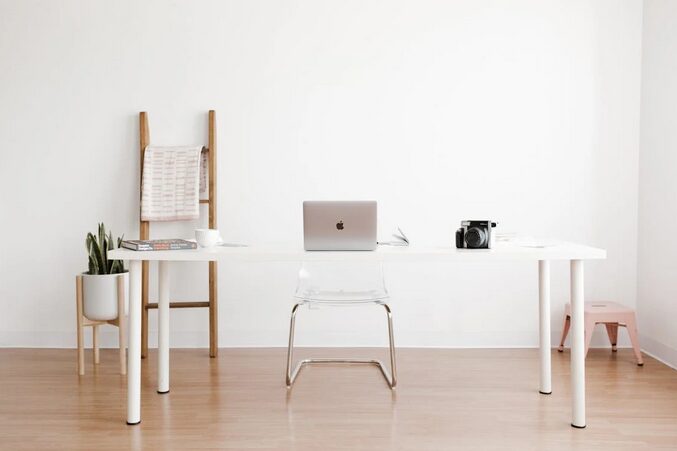
As remote work and online learning have become increasingly common, the demand for flexible living spaces has grown. Multi-functional rooms are designed to accommodate a variety of activities within a single space, blending work, study, and leisure without compromising comfort or productivity. These spaces allow homeowners to maximize limited square footage while maintaining organization and efficiency. A well-planned multi-functional room considers ergonomics, lighting, and storage to support prolonged focus and reduce physical strain. Understanding the need for such spaces highlights the shift in modern home design, where adaptability and functionality are prioritized to meet the diverse demands of contemporary lifestyles.
Optimizing Layout and Furniture
The layout and choice of furniture are critical to the success of a multi-functional room. Flexible furniture, such as foldable desks, modular shelving, and adjustable chairs, allows spaces to transition smoothly between work, study, and relaxation. Strategic furniture placement helps define separate zones within a single room without physical barriers, creating a sense of order and purpose. Incorporating storage solutions ensures that work or study materials are easily accessible but can be tucked away when not in use, maintaining a clutter-free environment. Thoughtful layout and furniture design support productivity and comfort while enabling the room to serve multiple functions efficiently.
Lighting and Environmental Considerations

Lighting plays a significant role in the functionality of multi-purpose spaces. Natural light is ideal, as it enhances mood, reduces eye strain, and supports circadian rhythms. Supplementing natural light with adjustable artificial lighting allows users to tailor illumination according to specific tasks, whether focused study, video calls, or leisure activities. Environmental factors, including ventilation, temperature, and acoustics, also contribute to a room’s effectiveness. Adequate airflow, comfortable temperatures, and minimized noise distractions create an environment conducive to concentration and relaxation. Integrating these considerations ensures that the space is suitable for a range of activities without compromising comfort or efficiency.
Incorporating Technology and Connectivity
Multi-functional rooms require reliable technology and connectivity to support remote work and study demands. High-speed internet, sufficient power outlets, and cable management systems enable the seamless operation of computers, printers, and other electronic devices. Smart devices, such as adjustable desks or lighting controlled by applications, can further enhance adaptability and convenience. Integrating technological infrastructure into the room’s design prevents disruptions and enables users to transition smoothly between tasks. By prioritizing connectivity and technology, homeowners can maintain productivity and efficiency, making the space truly versatile for professional, educational, and personal needs.
Balancing Aesthetics and Functionality
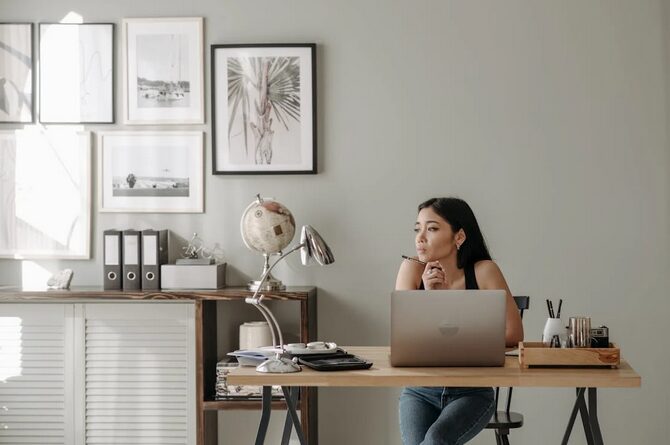
A multi-functional room should also consider aesthetics alongside practicality. Using colors, textures, and decorative elements strategically can visually delineate areas for different activities without physical separation. Incorporating personal touches, such as artwork or plants, can create a welcoming and inspiring environment that supports both focus and relaxation. Balancing aesthetics and functionality ensures that the space feels comfortable and motivating, encouraging sustained use and engagement. A visually cohesive design also contributes to mental well-being, reinforcing the room’s role as a supportive environment for work, study, and leisure.
Designing multi-functional rooms for remote work and study requires careful consideration of layout, furniture, lighting, technology, and aesthetics. By optimizing these elements, homeowners can create spaces that efficiently accommodate multiple activities while supporting productivity, comfort, and well-being. Such rooms provide flexibility for modern lifestyles, allowing users to transition seamlessly between work, study, and personal time. Thoughtful design of multi-functional spaces demonstrates how contemporary homes can respond to evolving needs, combining practicality with comfort to enhance daily life.