
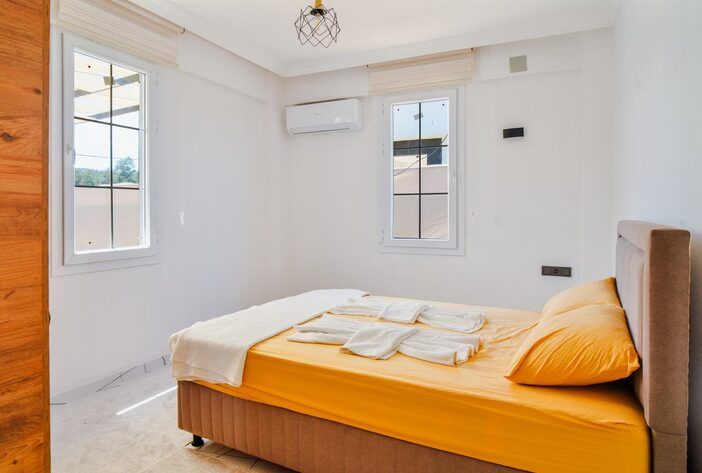
A bedroom that feels like a toaster at midnight is nobody’s idea of a good night’s sleep. Smart air conditioning installations can make a huge difference, but there are plenty of other ways to stop your bedroom from becoming a heat trap. Australian summers can be relentless, especially when the sun has been hammering your roof all afternoon. The goal is simple: block the heat, improve airflow, and give your cooling system less work to do.
Block the Sun Before It Gets Inside
Sunlight pouring through a bedroom window can turn a comfortable room into a greenhouse surprisingly fast. Close blinds, curtains, or shutters during the hottest part of the day. Light-coloured window coverings can help reflect some of that heat instead of absorbing it. This simple move can make the room feel noticeably better before you even switch on a fan. Timing matters here. If the morning sun hits your bedroom hard, start blocking it early rather than waiting until the room is already roasting. Blackout curtains can be especially useful for bedrooms facing strong afternoon sunlight. Think of them as sunglasses for your house, except nobody has to wear them indoors.
Choose Cooler Bedding and Materials
 Your mattress and bedding can have a bigger effect on nighttime comfort than you might expect. Heavy blankets and heat-trapping fabrics can leave you feeling like you are sleeping inside a warm sandwich. Lightweight cotton or linen sheets usually feel cooler against the skin. A breathable mattress protector can also help reduce that sticky feeling. Your pillow matters too. Some materials retain more heat than others, which can make your head feel like it has its own miniature weather system. Look for breathable covers and bedding suited to warm conditions. You do not need to turn your bed into a science experiment, but small material changes can make summer nights easier.
Get Your Bedroom Air Moving
Stale, hot air has a sneaky talent for making a room feel even warmer. A ceiling fan can help circulate air and create a cooling breeze across your skin. Portable fans can also work well when positioned near an open window during cooler parts of the evening. Just remember that a fan moves air around rather than actually lowering the room temperature. Cross ventilation can be another useful trick. Open windows on opposite sides of the home when outdoor temperatures drop. This creates a path for warmer indoor air to escape. Once the evening cools down, your bedroom can get a welcome blast of fresher air.
Keep Heat Producing Gadgets Away
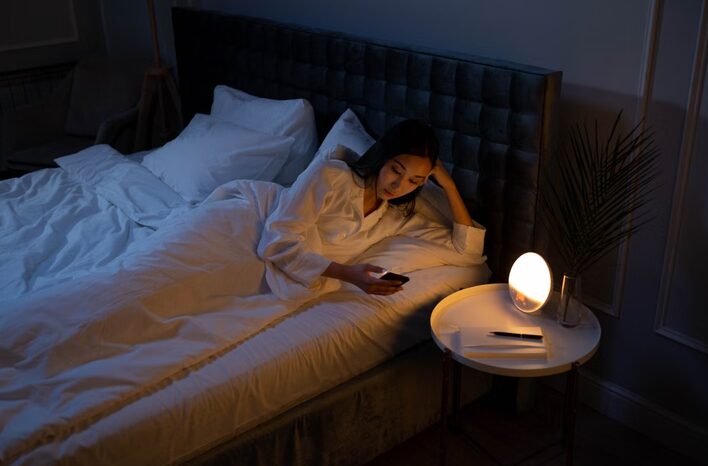
Electronics create heat, even when they seem harmless. Televisions, gaming consoles, computers, chargers, and bright lamps can gradually add warmth to a closed bedroom. Turn off equipment you are not using instead of leaving everything humming through the night. Your room gets less heat, and your electricity usage may benefit too. Your lighting choices also matter. Traditional bulbs can release more heat than efficient alternatives. Switch them off when you leave the room, especially during …